Energy Savings Tips: Optimize Your HVAC System Year-Round Mar 06, 2026
First and foremost, regular maintenance is crucial. Schedule bi-annual inspections with your trusted HVAC service provider, such as Precision Heating & Air Solutions. Professional technicians can identify and fix minor issues before they become costly repairs. During a maintenance check, cleaning ductwork, checking refrigerant levels, and inspecting electrical connections can make a significant difference in system performance.
Additionally, replacing air filters regularly is an easy and effective way to promote energy efficiency. Clogged or dirty filters force your HVAC system to work harder, consuming more energy. By changing filters every one to three months, you can ensure optimal airflow and maintain indoor air quality. This simple step can lower your system's energy use by 5 to 15 percent.
Another powerful method to optimize your HVAC system is installing a programmable thermostat. A smart thermostat can automatically adjust the temperature according to your schedule, reducing energy consumption when you're asleep or away from home. By setting your thermostat to a higher temperature in summer and a lower temperature in winter, you can save a significant amount on your heating and cooling costs without sacrificing comfort.
Sealing your home's leaks and improving insulation is another strategy to improve HVAC efficiency. Gaps around windows and doors, or poorly insulated walls, can lead to air leaks, causing your system to work overtime to maintain the desired temperature. Applying weather-stripping, caulking leaks, and adding insulation in attics and walls can minimize these issues, keeping your home comfortably conditioned with less energy.
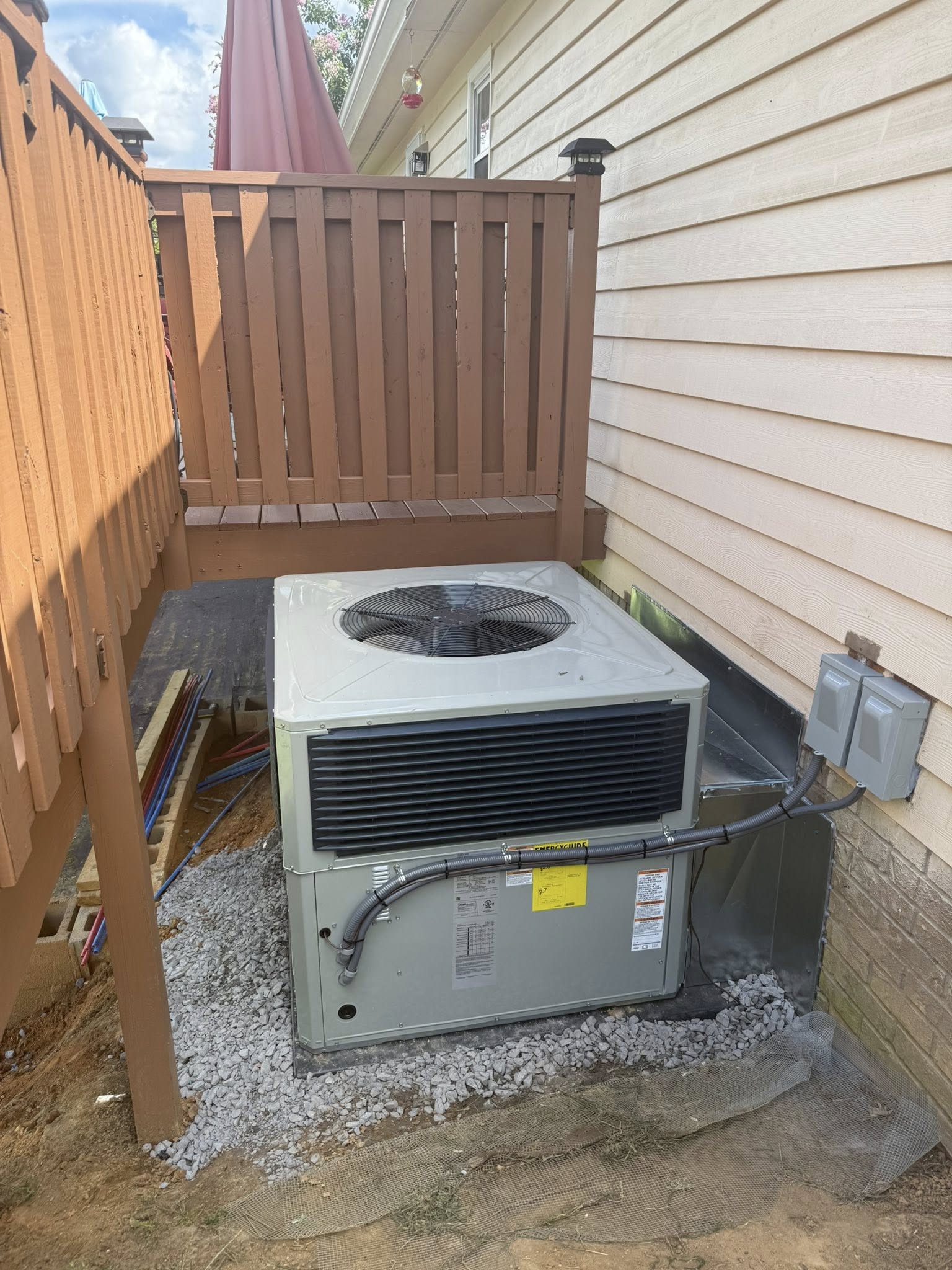
Consider upgrading to energy-efficient HVAC units if your current system is over ten years old. Modern systems are designed to use less energy while delivering better performance. Look for units with a high Seasonal Energy Efficiency Ratio (SEER) for cooling and an Annual Fuel Utilization Efficiency (AFUE) rating for heating. Investing in energy-efficient equipment might seem expensive initially but can result in substantial long-term savings on utility bills.
Furthermore, make use of natural ventilation when possible. Open windows and use fans to circulate air on cooler days, reducing the need for air conditioning. Similarly, in winter, letting sunlight through south-facing windows can naturally warm your home, allowing you to lower heating usage.
Finally, educate your household on energy-saving practices. Simple habits, such as closing doors quickly to avoid letting conditioned air escape and using blinds or drapes to block or allow sunlight, can collectively make a big difference. Encourage everyone to turn off lights and unplug electronics when not in use, as these contribute to heat buildup.
In conclusion, optimizing your HVAC system for energy efficiency is not just about investing in technology but also about making smart daily decisions that collectively contribute to reduced energy consumption. By following these tips, you can enjoy a comfortable living environment year-round while minimizing your carbon footprint. If you need assistance with your HVAC needs, don't hesitate to contact Precision Heating & Air Solutions for expert advice and service.
/filters:no_upscale()/filters:format(webp)/media/4ede8507-0622-40c5-97de-8c7c8cd95863.jpeg)