The Science Behind Air Conditioning: How Modern HVAC Systems Work Jul 03, 2026
Air conditioning, a critical element of HVAC (heating, ventilation, and air conditioning) systems, is based on the principles of thermodynamics. Essentially, these systems exploit the properties of a fluid—commonly known as refrigerant—to absorb and release heat, thus cooling an indoor space.
The process begins within the evaporator coil, where the refrigerant absorbs heat from the indoor air. In this coil, the refrigerant, which initially exists in a low-pressure, cold liquid state, evaporates into a gas. As it draws heat from the surroundings, the inside air temperature drops. This cooled air is then circulated throughout the building via ducts and vents, creating the immediate effect of air conditioning that many find so desirable.
Next, the gaseous refrigerant travels to the compressor, the heart of the air conditioning system. This component is crucial because it pressurizes the refrigerant, raising its temperature and transforming it back into a liquid. By compressing the refrigerant, heat absorption efficiency increases, readying it for heat expulsion outdoors.
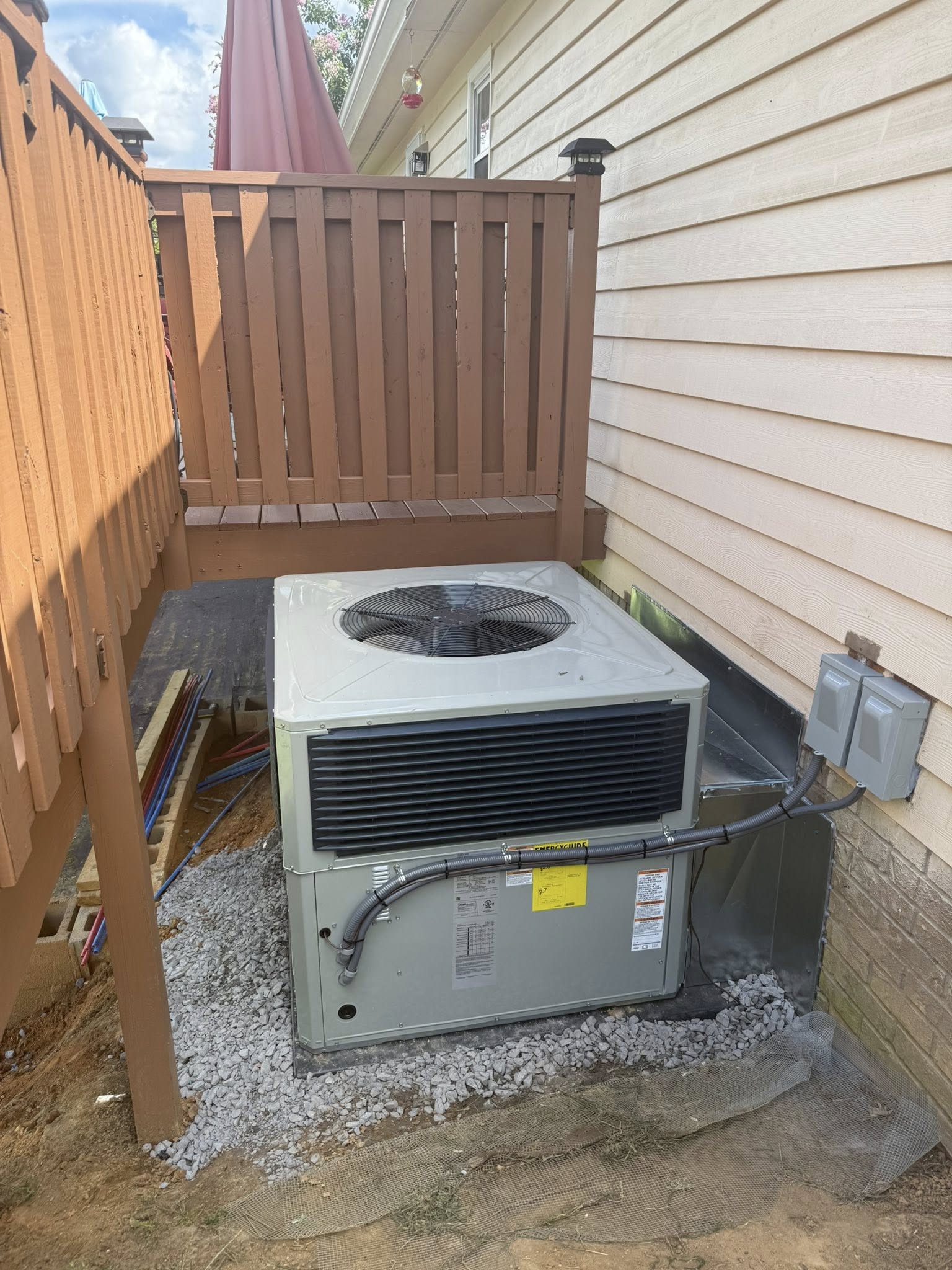
Once pressurized, the refrigerant flows to the condenser coil located outside the building. Here, it releases the absorbed heat into the atmosphere, aided by a fan that blows over the coil. This heat exchange transforms the refrigerant back into a cooler liquid state, allowing the cycle to begin anew. It is during this phase that the heat energy captured from your home's interior is dissipated into the outside air, which is why you might feel a warm breeze expelled from outdoor HVAC units.
Transitioning into how modern HVAC systems work involves exploring technological advancements that improve efficiency and user control. Today’s systems are equipped with high-tech sensors and smart thermostats that allow users to program and adjust settings remotely via smartphones. This means you can set cooling schedules to match your lifestyle or activate energy-saving modes to reduce utility bills. Not only do these innovations enhance convenience, but they also offer potential cost savings by optimizing operation based on real-time environmental conditions and user preferences.
Additionally, the increasing focus on eco-friendliness has led to the usage of more sustainable refrigerants, as well as the integration of variable-speed compressors. These compressors adjust their operational speed to meet the precise cooling demands of a home, thus maintaining constant comfort while reducing energy consumption.
For homeowners seeking to maximize their HVAC system’s performance, regular maintenance is essential. Precision Heating & Air Solutions advises routine inspections to ensure coils are clean, filters are replaced, and all components function optimally. This not only prolongs the life of the system but also maintains high air quality and system efficiency.
In conclusion, modern HVAC systems are complex yet elegantly efficient machines designed to keep indoor environments comfortable. By understanding the science behind air conditioning, homeowners can make informed decisions about system maintenance and settings, ensuring their systems function at peak efficiency. Precision Heating & Air Solutions can provide expert advice and services to maintain these systems, ensuring you enjoy the comforts of a well-cooled home, no matter the weather outside.
/filters:no_upscale()/filters:format(webp)/media/4ede8507-0622-40c5-97de-8c7c8cd95863.jpeg)