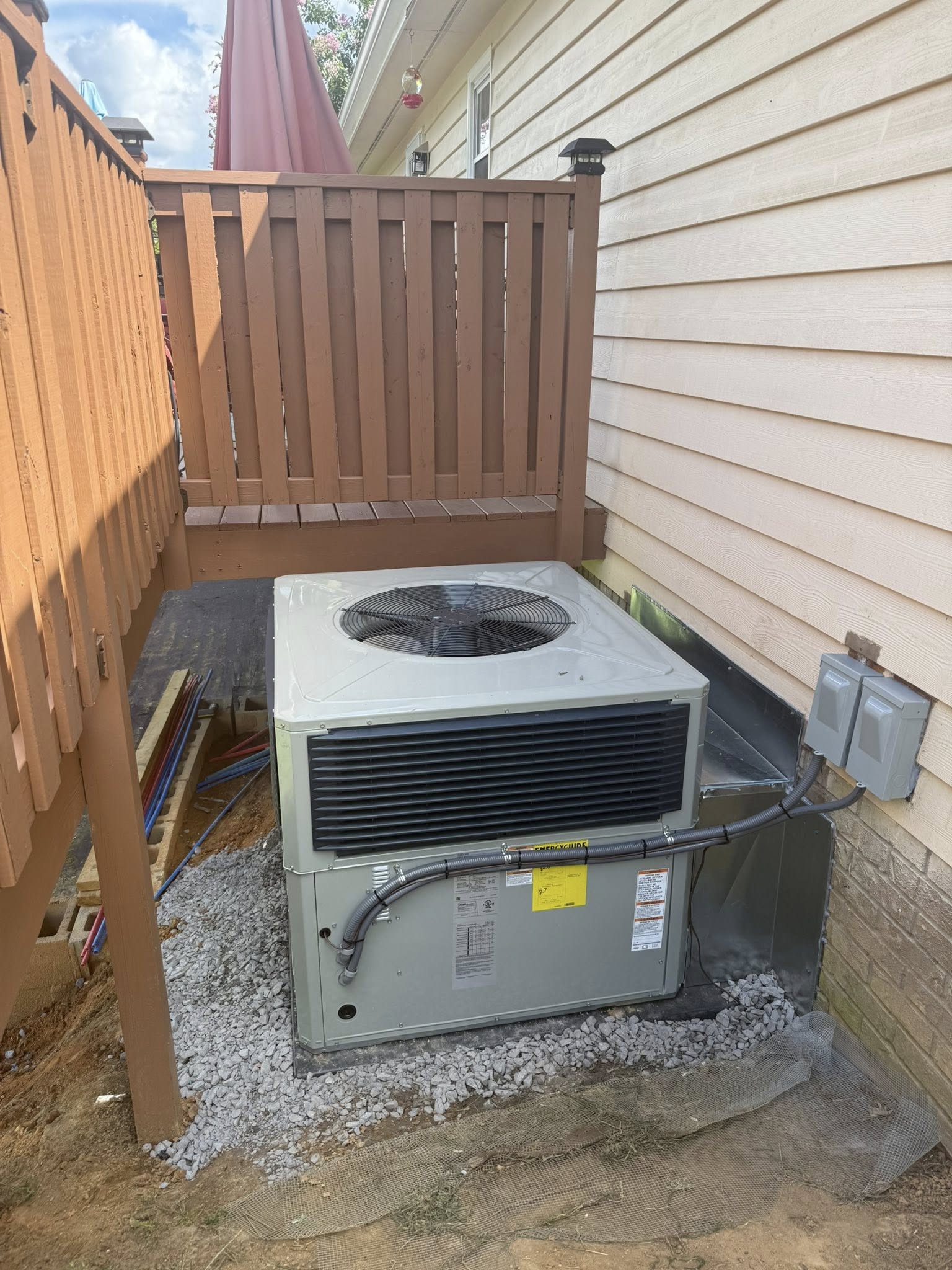
Understanding Heat Pumps: Efficiency and Versatility for Every Season Jul 03, 2026
A heat pump is an energy-efficient alternative to traditional HVAC systems, capable of providing both heating and cooling from the same unit. During the warmer months, a heat pump operates just like an air conditioner, extracting heat from inside the home and transferring it outside. Conversely, in colder months, the process reverses as the heat pump extracts heat from the outside air, even in low temperatures, and moves it inside to warm your home.
One of the key benefits of heat pumps is their remarkable efficiency. Since they move heat rather than generating it through combustion, heat pumps can provide up to four times more energy than they consume. This high efficiency translates to lower utility bills, offering substantial savings over time. Additionally, because they use electricity instead of fossil fuels, heat pumps reduce greenhouse gas emissions, making them an environmentally friendly choice.
Another advantage of heat pumps is their versatility. Unlike traditional heating systems that use separate units for heating and cooling, a heat pump consolidates functions into one system. This versatility means a heat pump can seamlessly adapt to varying weather conditions without needing extensive changes to your HVAC setup. Whether you are facing scorching summer heat or chilly winter nights, a heat pump efficiently maintains a comfortable indoor environment.
When considering investing in a heat pump, there are several types to choose from, including air-source, ground-source, and hybrid systems. Air-source heat pumps, the most common type, are typically more affordable and easier to install. For those living in more extreme temperatures, ground-source heat pumps, also known as geothermal heat pumps, offer even greater efficiency but come with a higher upfront installation cost. Hybrid systems combine a heat pump with a traditional furnace to maximize efficiency and adaptability.
To determine the best heat pump for your home, it’s essential to consider various factors such as the local climate, the size and insulation of your home, and your specific heating and cooling needs. Consulting with a professional like those at Precision Heating & Air Solutions can provide valuable insights and personalized recommendations based on your unique requirements.
Proper maintenance is another crucial aspect of ensuring the longevity and optimal performance of your heat pump. Regularly checking filters, cleaning coils, and scheduling annual professional inspections can keep the system running efficiently and avoid unexpected breakdowns. At Precision Heating & Air Solutions, we offer comprehensive maintenance services to keep your heat pump in optimal condition year-round.
In conclusion, heat pumps offer an efficient and versatile solution for maintaining a comfortable home environment throughout the year. Their ability to reduce energy consumption while providing effective heating and cooling makes them an attractive choice for environmentally conscious homeowners looking to lower their carbon footprint and utility bills. By consulting with experts and ensuring proper maintenance, you can enjoy the benefits of a heat pump for years to come.
Consider reaching out to Precision Heating & Air Solutions to learn more about how a heat pump can be integrated into your home to enhance comfort, efficiency, and sustainability.
/filters:no_upscale()/filters:format(webp)/media/4ede8507-0622-40c5-97de-8c7c8cd95863.jpeg)